
Your story matters.
Trauma-informed care for teens and adults.
Hi, I’m Ali. I am an Associate Marriage and Family Therapist (AMFT #134921) living in the San Francisco Bay Area, and serving clients all over California. I am employed by Ritenour Counseling, and am supervised by Licensed Marriage and Family Therapist Michelle Ritenour (LMFT #51357).
I love stories: as I think most humans do. I studied literature in college and graduate school because I couldn't get enough of them. Eventually I realized it wasn't the stories themselves I loved so much; it was the people they belonged to.
While I spent years studying other people's stories, it took longer to look in the mirror at my own. When I finally landed in therapy, my own therapist offered me the kindness and curiosity I didn't know I was longing for, helping me understand the stories behind my emotions and relationships. Through her empathy towards my story, the most vulnerable parts of me began to come alive again, That experience led me to earn a master's in Counseling Psychology from the University of San Francisco, train in integrative approaches at California Pacific Medical Center, and eventually join Ritenour Counseling.
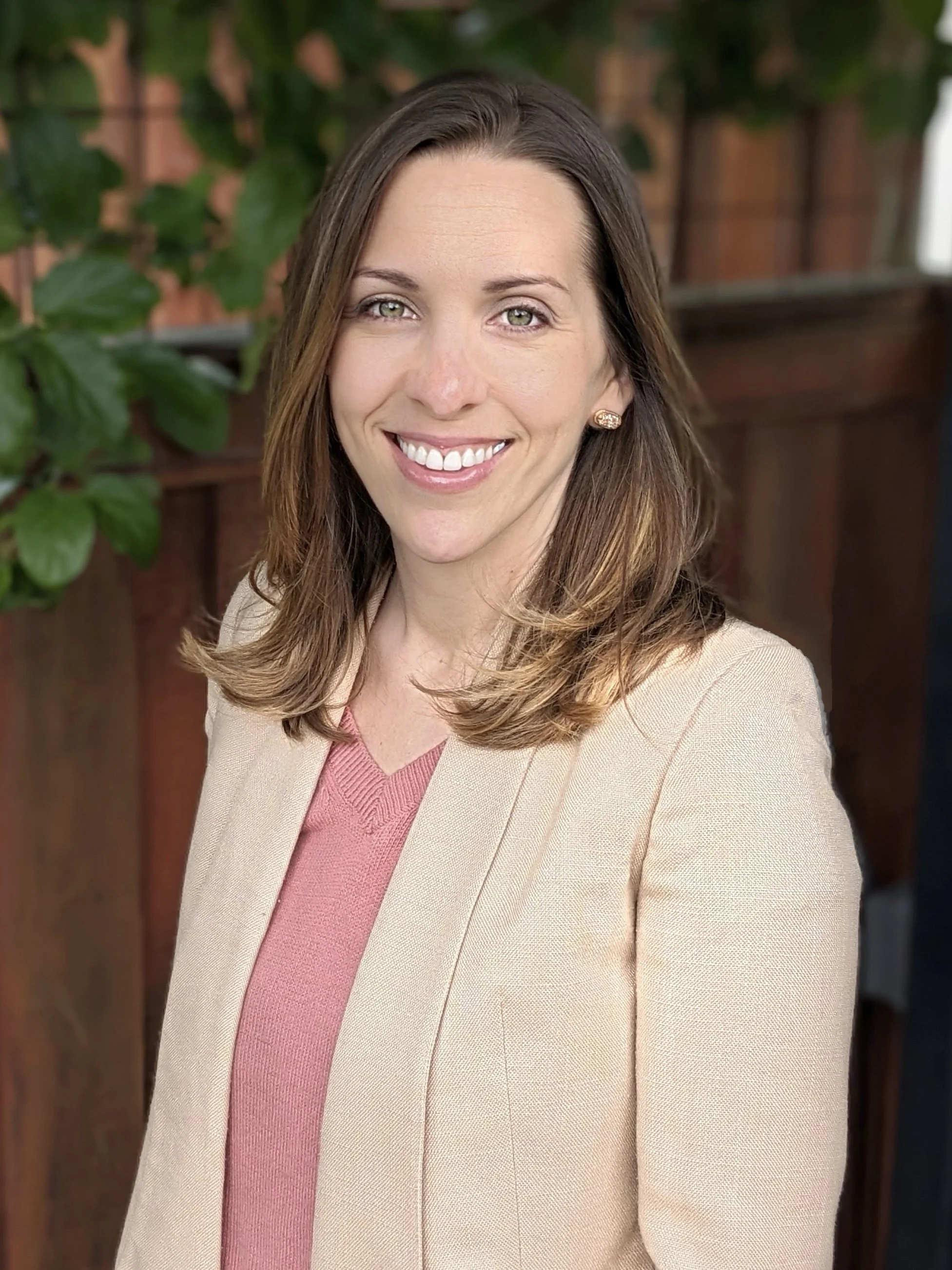
What is a session like? You can expect me to listen deeply, ask direct questions, celebrate your growth, laugh with you, and hold your story with honor and compassion. I ground my work in Psychodynamic, Narrative, Family Systems, and Attachment theories, drawing tools from Internal Family Systems and CBT, and weaving in psychoeducation so you leave with a deeper understanding of your brain, body, and nervous system.
I believe healing is a lifelong journey — sometimes you need therapeutic support, and sometimes you don't. I don't claim to have all the answers; we're all in process, and I continue my own healing work too. You are the expert on your life and your story. I simply bring knowledge, tools, and the same kindness and curiosity that once changed mine.

Who are my clients?
highly sensitive people and introverts
those in caretaking roles
complex trauma survivors
those navigating boundaries and relationship patterns
those living with anxiety and depression
those living with autoimmune disorders and chronic illness
those navigating grief and loss

My Qualifications & Training
Education:
MA Counseling Psychology, University of San Francisco
MA English Literature, King's College London
BA English, Southern Methodist University
Specialized Training & Continuing Education:
Integrative Therapy Traineeship, California Pacific Medical Center - Sutter Health
Certificate in Somatic Embodiment & Regulation Strategies Level 1, Linda Thai
Narrative Focused Trauma Care Level 1, The Allender Center
Psychotherapy for Clients with Autoimmune Disease, Hatherleigh Behavioral Health
Professional Membership:
California Association of Marriage and Family Therapists
Frequently Asked Questions
-
Not at all. Many people come to therapy with a vague sense that something feels off — or that they keep running into the same walls — without being able to name exactly what's happening. You don't need to arrive with a diagnosis or a clear agenda. We'll figure it out together, and often the most meaningful discoveries come from the things you didn't expect to talk about.
-
By going at your pace, following your lead, and paying close attention to our relationship — not just the content of what we're discussing. I'll check in with you, name things I'm noticing, and make room for you to tell me if something isn't working. Safety isn't just something I declare; it's something we build together, over time.
-
That experience matters, and I'd want to understand it. Sometimes the approach wasn't the right fit, sometimes the relationship didn't feel safe enough to go deep, and sometimes therapy touched the surface without addressing what was underneath. I take past therapeutic experiences seriously — they're part of your story too, and they often tell us something important about what you need.
-
I'm not a blank slate. I bring warmth, directness, and genuine curiosity into the room, and yes — I'll share my perspective when it serves you. I might reflect something I'm noticing, gently challenge a pattern, or offer a different way of seeing your story. The goal is always a real relationship, not a one-sided one.
-
Progress rarely looks like a straight line. More often it shows up in small moments — noticing a pattern you couldn't see before, responding differently in a relationship, feeling a little more at home in yourself. I pay attention to those shifts with you, even the subtle ones. Healing is less about "fixing" something and more about integrating your story in a way that gives you more freedom.
-
Reach out through the contact form and we'll schedule a brief consultation — a low-pressure conversation to talk about what's bringing you to therapy and whether we're a good fit. There's no commitment required, just a chance to connect and ask questions.